
Custom Event Medals vs. Trophies: A Comparative Look for Race Organisers
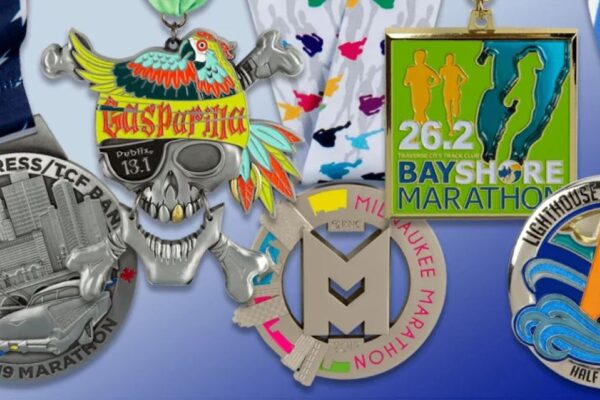
Awards turn race events from simple competitions into unforgettable experiences that participants cherish long after crossing the finish line. Whether runners complete their first 5K or triumph in an ultramarathon, the recognition they receive validates their effort and dedication. Custom event medals and trophies are the two main award choices for race organisers. Medals usually celebrate participation and completion, given to every finisher who conquers the distance. Trophies, on the other hand, acknowledge outstanding performance—reserved for podium finishers, age group winners, or athletes who achieve specific milestones. The decision between these award types holds great importance. Race organisers must balance participant expectations, budget limitations, sustainability commitments, and marketing goals. A local fun run giving out 500 finisher medals has very different considerations than a championship event presenting 20 trophies to category winners. This analysis looks at custom event medals vs. trophies from various perspectives important to race organisers. We’ll discuss customisation options, cost structures, environmental impact, and strategic value. The aim is to provide organisers with clear insights to choose the best award options for their specific event requirements and participant demographics. What Are Custom Event Medals and How Are They Used in Races? Custom event medals are physical awards given to participants in running events, serving as tangible recognition of their achievement. Race organisers use these marathon medals across various event formats including 5K fun runs, half marathons, full marathons, ultramarathons exceeding 50 kilometres, and challenging trail runs through natural terrain. Where Marathon Medals Make the Most Impact Large-scale city marathons like the Melbourne Marathon distribute tens of thousands of personalised medals annually, making them the go-to choice for events expecting substantial participant numbers. Ultramarathon organisers prefer these awards because they acknowledge the extraordinary endurance required to complete distances beyond the standard marathon. Trail running events incorporate medals featuring nature-inspired designs that reflect the rugged environments where these races take place. Community 5K events particularly benefit from custom event medals as they transform casual participants into committed finishers who treasure their accomplishment. The physical weight and design of these race keepsakes create lasting memories that encourage repeat participation in subsequent years. Personalisation Techniques That Elevate Medal Design Modern manufacturing offers race organisers multiple ways to customise: The Melbourne Marathon demonstrates advanced personalisation by incorporating iconic city landmarks into their medal designs, creating instant recognition and local pride among finishers. Digital Integration Through QR Technology Progressive race organisers embed QR codes directly into personalised medals, transforming static awards into interactive experiences. Participants scan these codes to access their official race results, finish-line photos, performance analytics, and digital certificates. This technology extends engagement beyond race day, allowing runners to relive their achievement weeks or months later. QR codes also facilitate social media sharing by directing finishers to pre-populated posts celebrating their. What Are Custom Trophies and When Are They Preferred by Race Organisers? Custom trophies serve as prestigious competition awards that race organisers typically reserve for recognising exceptional performance rather than participation. These racing trophies find their primary application in championship events, season-long competitions, and races where organisers want to distinguish top performers from the broader participant field. Championship and Competitive Events Race organisers favour trophies for events with clear competitive hierarchies. Championship races, regional qualifiers, and series finals commonly feature trophy personalisation to mark the significance of winning positions. Youth racing circuits particularly benefit from trophies, as young competitors often value the tangible recognition of their achievements. BMX events exemplify this approach, where the dynamic nature of the sport translates into trophy designs that capture the energy and excitement of competitive racing. Design Elements That Reflect Sport Energy Racing trophies distinguish themselves through designs that embody the movement and intensity of competitive events. BMX trophies might feature riders mid-jump or in aggressive cornering positions, whilst running trophies often incorporate silhouettes of athletes in full stride. The materials selected for these awards prioritise durability—essential for pieces that recipients will handle frequently and display prominently. Metal components, sturdy bases, and protective finishes ensure trophies withstand years of display without deterioration. Personalisation Capabilities Trophy personalisation extends beyond simple name plates. Organisers can engrave: This level of customisation transforms a standard award into a meaningful memento that tells the story of a specific achievement. Bulk Ordering Advantages Clubs and large-scale event organisers benefit significantly from bulk trophy orders. Ordering multiple custom trophies simultaneously ensures design consistency across different categories whilst reducing per-unit costs. A cycling club running monthly races throughout a season can maintain visual continuity in their awards programme, reinforcing brand identity and professional presentation. Fast delivery options support tight event schedules, particularly important for organisers managing multiple competitions. Variety Across Categories The versatility of racing trophies allows. How Do Custom Medals and Trophies Differ in Symbolism and Participant Appeal? Do medals and trophies carry different symbolic meanings for race participants? Yes—medals typically represent personal achievement and completion, whilst trophies signify competitive excellence and ranking. This fundamental difference in award symbolism shapes how participants perceive and value each type of recognition. Medals as Universal Achievement Markers Medals serve as tangible proof that every participant crossed the finish line. Whether someone completes their first 5K in 45 minutes or a seasoned ultramarathon runner finishes in record time, the medal validates their effort. This inclusive approach to participant engagement creates a sense of accomplishment that extends beyond competitive placement. The appeal of medals lies in their democratic nature—it doesn’t judge performance against others but celebrates individual commitment. A runner who battled through injury to complete a marathon treasures their finisher’s medal as much as the category winner values theirs. This emotional connection transforms a simple metal disc into a cherished memento of personal triumph. Trophies as Markers of Competitive Distinction When do trophies become the preferred recognition format? Trophies work best for acknowledging top-tier performance, age group winners, or special achievement categories. Their physical presence—often larger and more prominent than medals—signals exceptional accomplishment within a competitive field. Trophy recognition carries different psychological weight. Receiving a trophy means standing on a podium, being photographed, and…